
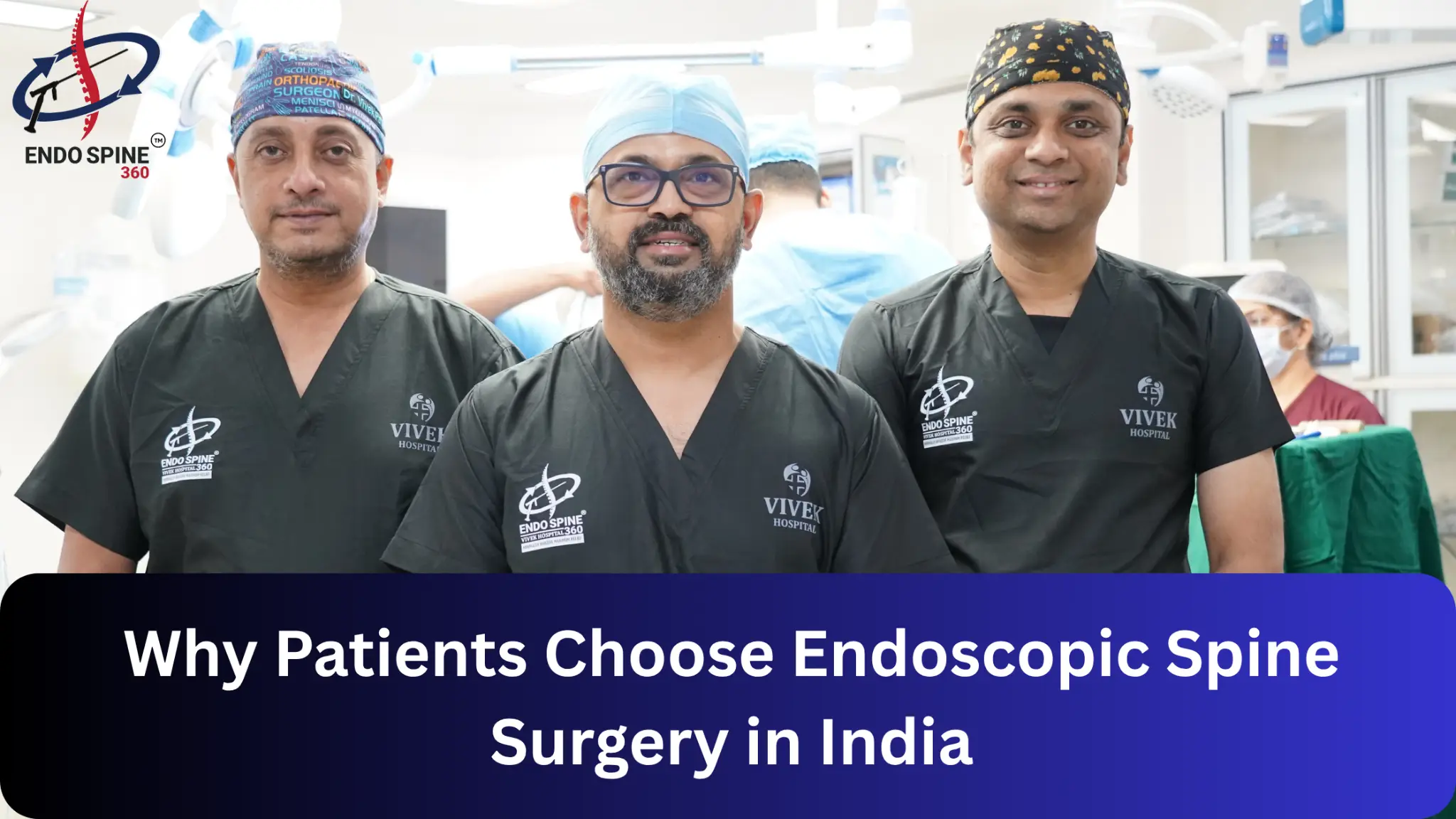
Why Patients Choose Endoscopic Spine Surgery in India: Benefits, Expertise and Recovery
- Admin
Back and spine problems can affect almost every aspect of daily life from walking and working to sleeping and performing everyday activities. With advances in minimally invasive techniques, patients with certain spine conditions may now have alternatives to conventional open spine surgery.
Endoscopic spine surgery is one such minimally invasive approach. It uses a small incision and a specialised endoscope to access the affected area of the spine while aiming to minimise disruption to surrounding muscles and tissues.
India has developed significant expertise in advanced spine care, with trained specialists, modern medical facilities and access to minimally invasive spine technologies. For patients considering treatment, choosing an experienced endoscopic spine consultant in India can be an important part of the treatment journey.
What Is Endoscopic Spine Surgery?
Endoscopic spine surgery is a minimally invasive surgical technique that uses a small camera, called an endoscope, to visualise and access structures around the spine.
Depending on the patient's condition, the surgeon may use an endoscopic approach to address problems such as certain types of slipped or herniated discs, nerve compression and other conditions that may be suitable for minimally invasive treatment.
Unlike traditional open surgery, endoscopic techniques generally involve a smaller access point. The exact approach, procedure and expected recovery depend on the patient's diagnosis, spinal anatomy and overall health.
A detailed evaluation by a qualified spine consultant in India is therefore important before deciding whether endoscopic surgery is appropriate.
Why Are Patients Considering Endoscopic Spine Surgery in India?
The increasing interest in endoscopic spine treatment is related to developments in minimally invasive surgical technology and specialist training.
Some patients may consider treatment in India because the country has experienced spine specialists, specialised hospitals and surgeons trained in advanced techniques, including endoscopic and minimal-access spine procedures.
However, choosing a surgeon should not be based only on the hospital or country. Patients should consider the surgeon's qualifications, training, experience with the relevant procedure, infrastructure available at the hospital and whether the proposed treatment is appropriate for their specific condition.
Potential Benefits of Endoscopic Spine Surgery
The potential advantages of endoscopic spine surgery can vary depending on the procedure and the patient's condition. Possible benefits may include smaller incisions, less disruption to surrounding tissues, potentially faster recovery, less postoperative discomfort and an earlier return to routine activities for appropriately selected patients.
Because endoscopic procedures generally use a smaller access point than conventional open surgery, there may be less disruption to surrounding tissues. Some appropriately selected patients may also experience a faster recovery following minimally invasive procedures. However, recovery time varies considerably depending on the condition, procedure and individual patient.
It is important to remember that these potential benefits do not mean endoscopic surgery is suitable for every patient. A specialist evaluation is necessary to determine the appropriate treatment.
Choosing the Right Endoscopic Spine Consultant in India
Searching online for the best endoscopic spine consultant in India or the top endoscopic spine consultant in India can produce many results. However, patients should look beyond rankings and marketing claims.
Consider the following factors when evaluating a spine specialist:
- Training and qualifications in spine surgery
- Specific training in endoscopic spine surgery
- Experience with minimally invasive spine procedures
- Academic and research contributions
- Experience treating the patient's specific condition
- Availability of appropriate diagnostic and surgical facilities
- Clear explanation of treatment options
- Discussion of potential benefits, risks and alternatives
- Follow-up and postoperative care
A consultation should focus on finding the right treatment for the individual patient rather than simply selecting a surgeon based on a "best" or "top" label.
Meet Dr. Prasad Patgaonkar
Experienced Spine Surgeon with a Focus on Endoscopic and Minimal-Access Techniques
Dr. Prasad Patgaonkar is a renowned spine surgeon from Central India with approximately 18 years of experience in spine surgery. He has a special interest in endoscopic awake and aware spine surgery, safe spine surgery and minimal-access spine technologies .
Dr. Patgaonkar was among the early spine surgeons in Indore to take on the challenge of establishing spine surgery as a specialised field within orthopaedics.
He is also a National Faculty for Endoscopic Spine Surgery and has contributed publications to national and international spine journals.
His academic and clinical training includes orthopaedic postgraduate education in Mumbai following graduation from Pune, along with specialised spine training at centres in India and abroad.
International and National Fellowship Training
Dr. Patgaonkar's training includes:
- Fellowship in Endoscopic Spine Surgery – South Korea
- Fellowship in Spinal Deformity Surgery – SRH Klinikum, Germany
- Fellowship in Spine Surgery – Neuro-Spinal Unit, Lilavati Hospital, Mumbai
- Fellowship in Endoscopic Spine Surgery – CESS-SHOT, Miraj
- Fellowship in Pain Management – Daradia Pain Clinic, Kolkata
This combination of training and experience has contributed to his focus on minimally invasive and endoscopic approaches to spine care.
What Makes Specialist Training Important in Endoscopic Spine Surgery?
Endoscopic spine surgery requires specialised knowledge of spinal anatomy, imaging, patient selection and minimally invasive surgical techniques.
A surgeon's training can therefore be an important consideration when patients are researching top endoscopic spine doctors in India .
International fellowships can provide exposure to different surgical techniques and clinical practices, while national training and ongoing academic participation can help surgeons remain connected with developments in spine surgery.
Patients should also ask their surgeon about their experience with the specific endoscopic procedure being recommended for their condition.
What Conditions May Be Considered for Endoscopic Spine Treatment?
Endoscopic spine procedures may be considered for selected patients with certain spinal conditions. Depending on the technique and clinical situation, these can include conditions associated with:
- Herniated or slipped discs
- Nerve compression
- Certain forms of spinal stenosis
- Sciatica caused by nerve compression
- Selected degenerative spine conditions
Not every patient with these conditions requires surgery, and not every patient is a candidate for an endoscopic procedure.
A spine consultant in India can assess symptoms, medical history, neurological findings and imaging studies to determine whether conservative treatment, conventional surgery or a minimally invasive approach may be appropriate.
What Can Patients Expect During Recovery?
Recovery following endoscopic spine surgery varies from patient to patient.
Factors that may influence recovery include:
- The type of procedure performed
- The spinal condition being treated
- The extent of nerve compression
- Overall health and fitness
- Previous spine surgery
- Postoperative rehabilitation
- The patient's response to treatment
Some minimally invasive procedures may allow selected patients to become mobile relatively soon after surgery. However, patients should follow their surgeon's instructions regarding walking, exercise, lifting, driving, work and other activities.
A faster recovery should never be assumed simply because a procedure is described as minimally invasive.
Endoscopic Spine Surgery vs Traditional Spine Surgery
Endoscopic spine surgery and conventional spine surgery are different approaches that may be appropriate for different patients. Endoscopic procedures generally use a smaller access point and are designed to minimise disruption to surrounding tissues, while conventional surgery may require a larger incision and greater tissue exposure depending on the procedure.
For selected procedures, patients undergoing endoscopic spine surgery may have a shorter hospital stay or potentially faster recovery, although these factors depend on the specific surgery and individual patient. Conventional spine surgery can also be the appropriate treatment for many spinal conditions.
Ultimately, the suitability of either approach depends on the patient's condition, spinal anatomy, diagnosis and overall health. Both endoscopic and conventional spine surgery require specialist evaluation before a treatment decision is made.
The objective should not be to choose the newest or smallest procedure automatically. The objective is to choose the most appropriate treatment for the patient's condition .
How to Find a Top Endoscopic Spine Surgeon in India
Patients searching for a top endoscopic spine surgeon in India should consider a combination of clinical experience, specialised training and patient-specific expertise.
Before scheduling treatment, consider asking:
- What is my exact spine condition?
- Is surgery necessary?
- Am I a suitable candidate for an endoscopic procedure?
- What type of endoscopic procedure is being recommended?
- What are the expected benefits?
- What are the potential risks and complications?
- Are there non-surgical alternatives?
- How long might recovery take?
- What activities should I avoid after surgery?
- What follow-up care will I require?
These questions can help patients make a more informed decision rather than selecting a surgeon based only on online rankings.
How to Choose a Top Endoscopic Spine Hospital in India
The surgeon is an important part of the treatment decision, but the hospital and clinical infrastructure also matter.
When researching a top endoscopic spine hospital in India , patients can consider:
- Availability of modern imaging facilities
- Endoscopic spine surgery infrastructure
- Experienced anaesthesia and surgical teams
- Emergency and critical-care support
- Infection-control standards
- Postoperative monitoring
- Rehabilitation and physiotherapy support
- Follow-up services
A hospital's suitability should ultimately be assessed according to the patient's condition and the procedure being considered.
Why Experience and Expertise Matter
Endoscopic spine surgery combines advanced technology with detailed knowledge of spinal anatomy. Appropriate patient selection is particularly important because minimally invasive surgery is not automatically the right choice for every spine problem.
For this reason, patients looking for the best endoscopic spine consultant in India should evaluate a specialist's actual training, experience, areas of interest and approach to patient care.
Dr. Prasad Patgaonkar's experience in spine surgery, specialised training in endoscopic spine surgery in India and South Korea, fellowship training in spinal deformity surgery in Germany, and involvement in endoscopic spine education are relevant credentials for patients researching advanced minimally invasive spine care.
Conclusion
Endoscopic spine surgery has become an important minimally invasive option for appropriately selected patients with certain spinal conditions. Advances in technology, specialist training and surgical techniques have expanded the options available to patients seeking modern spine care.
For patients researching the best endoscopic spine consultant in India , top endoscopic spine doctors in India or a top endoscopic spine hospital in India , the most important consideration should be finding an appropriately qualified specialist and treatment centre that matches their individual medical needs.
With specialised training in endoscopic spine surgery, extensive experience in spine surgery and fellowship exposure in India and internationally, Dr. Prasad Patgaonkar represents one option for patients seeking consultation regarding advanced and minimally invasive spine care.
A consultation with a qualified spine specialist can help determine whether endoscopic surgery is appropriate or whether another treatment approach would provide a better option for the individual patient.
Frequently Asked Questions
An endoscopic spine consultant is a spine specialist with expertise in evaluating and treating selected spinal conditions using endoscopic or minimally invasive techniques. Patients should verify the specialist's qualifications and specific experience before treatment.
Rather than relying only on the terms "best" or "top", compare a surgeon's qualifications, specialised endoscopic training, experience, academic background, procedure-specific expertise and approach to patient care.
No. Endoscopic surgery is not appropriate for every spine condition or every patient. A detailed clinical and imaging assessment is required to determine the most suitable treatment.
Endoscopic techniques are designed to provide minimally invasive access, but every surgery has potential risks. The safety and suitability of a procedure depend on the patient's condition, anatomy, surgeon expertise and other clinical factors.
Recovery varies according to the procedure, diagnosis and individual patient. Some patients may resume routine activities relatively quickly, while others may require a longer recovery period.
Yes. A qualified spine specialist can evaluate your symptoms and imaging, explain available treatment options and determine whether endoscopic surgery is appropriate for your condition.
Search
Categories
Popular Tags
Recent Post
-
Why patients choose endoscopic spine surgery in india: benefits, expertise and recovery
Back and spine problems can affect almost every aspect of daily life f...
Read more -
Top endoscopic spine consultants in india for advanced spine care
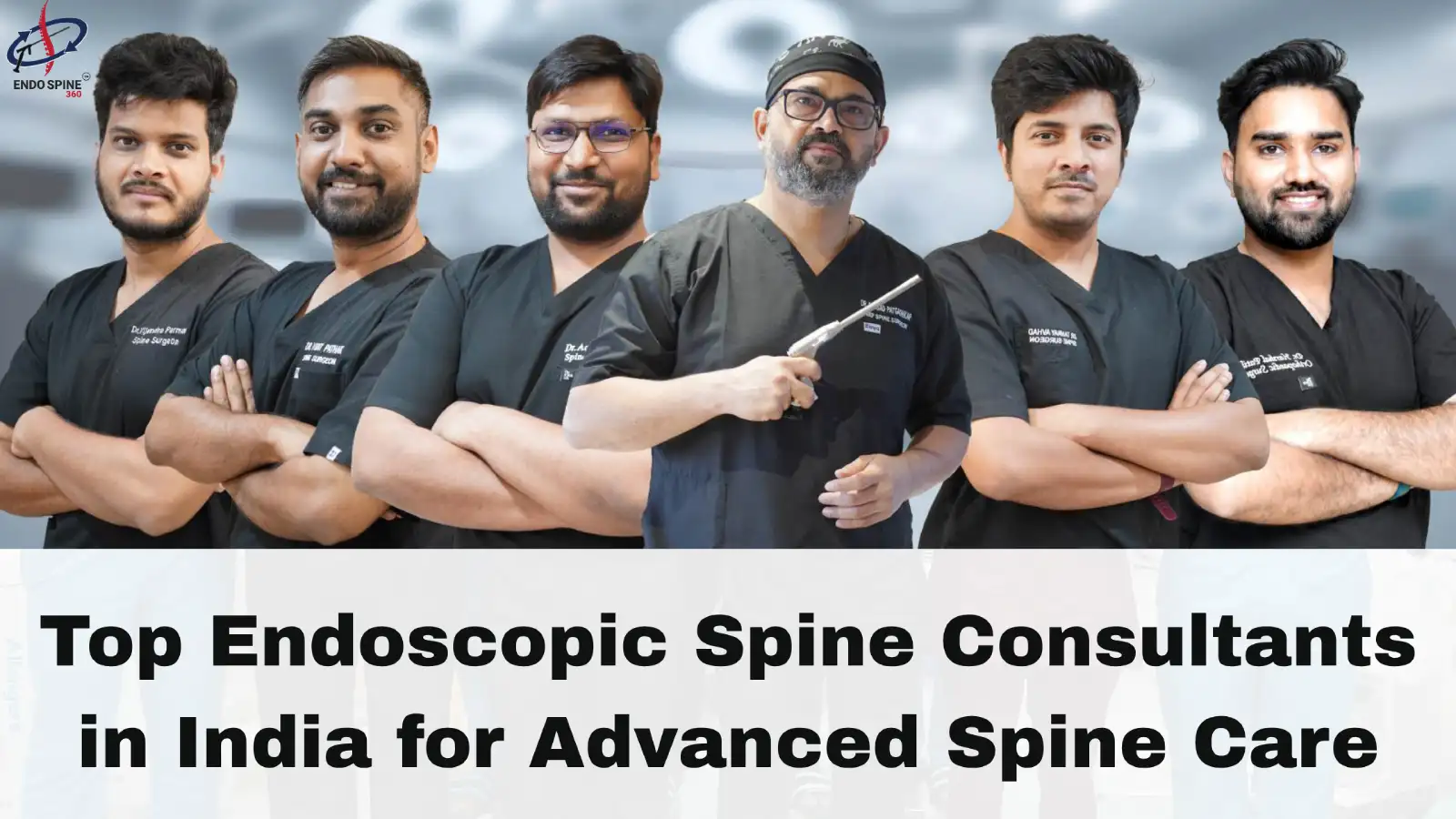
Back pain, neck pain, slipped discs, sciatica, and spinal stenosis hav...
Read more -
Endospinecon 2026
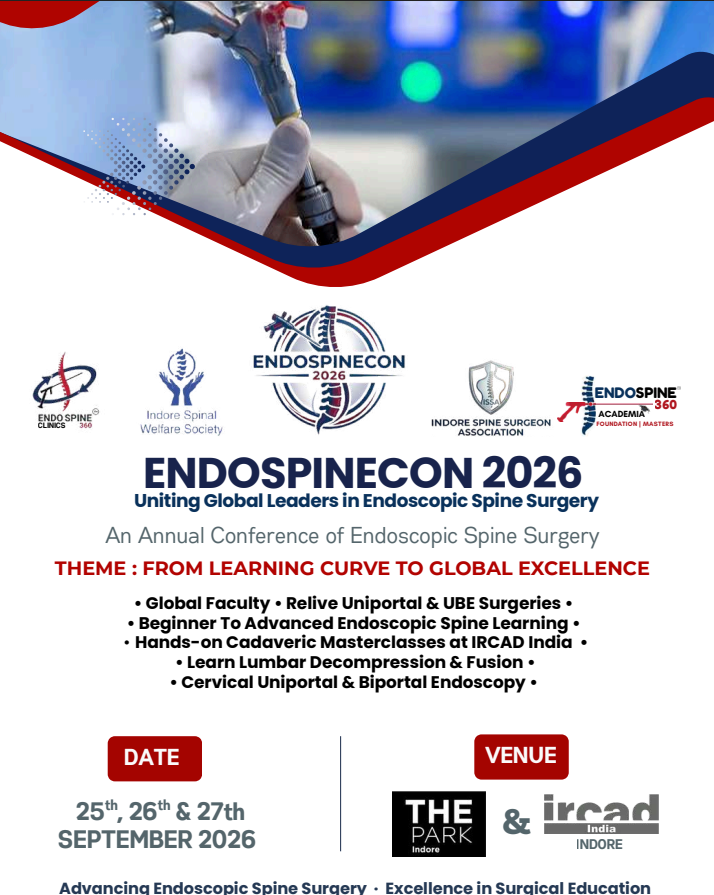
...
Read more -
Smiss-ap , asean-misst & singapore spine society meeting 2026 in singapore.
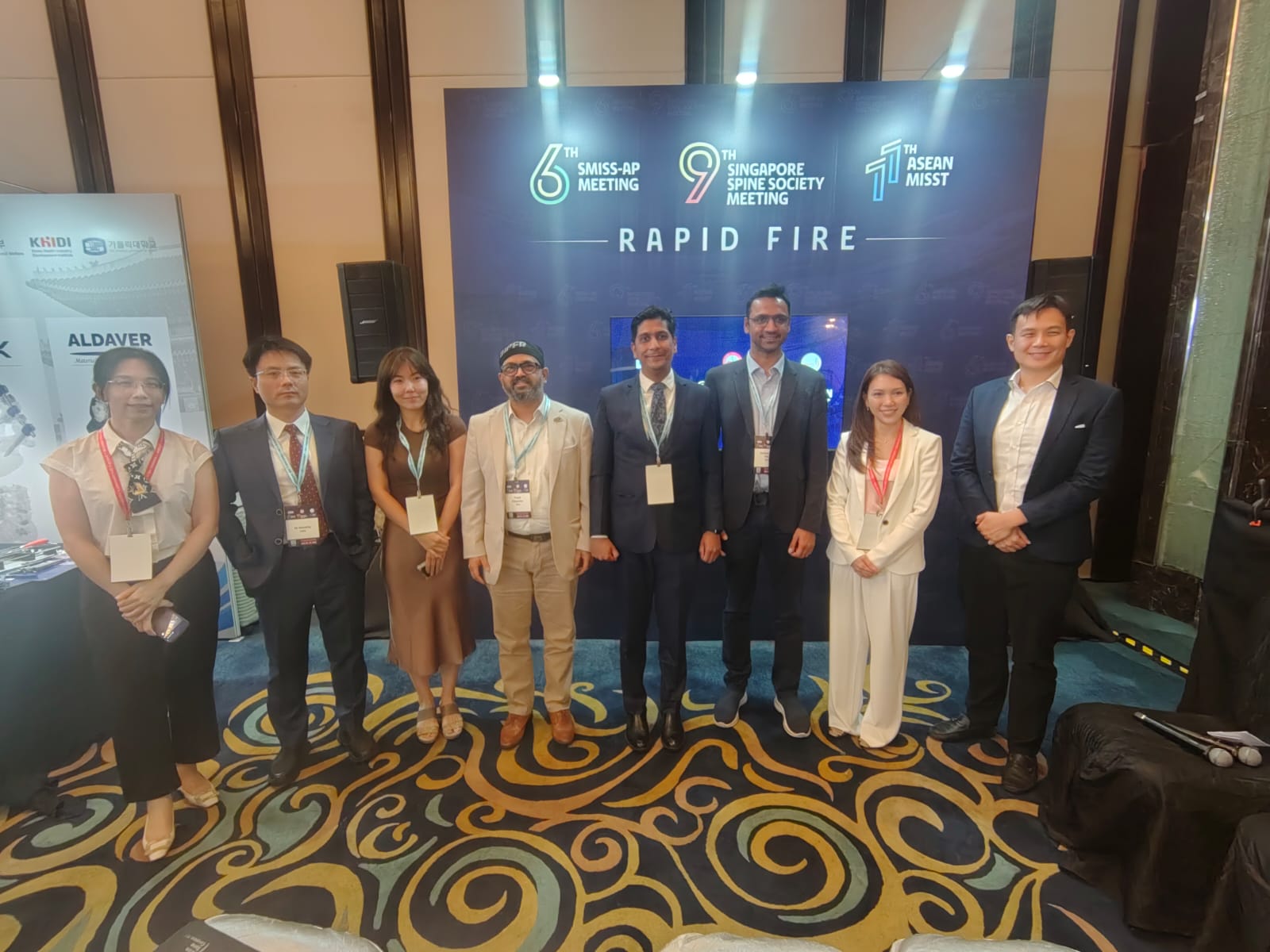
From India to the Global Spine Stage. ???? Proud moment as Dr. Prasad ...
Read more